💔 The Pain of Giving Partnership and Getting Selfishness in Return
Many AuDHD women grow up believing that love means giving everything—and find themselves in relationships where that love is never truly returned. This honest, reflective post explores the emotional cost of being with a partner who only took, never gave, and the painful but powerful clarity that follows. If you've ever felt unseen, unheard, or emotionally abandoned in a relationship, this post will resonate deeply.
Grazielle B
2/10/20262 min read
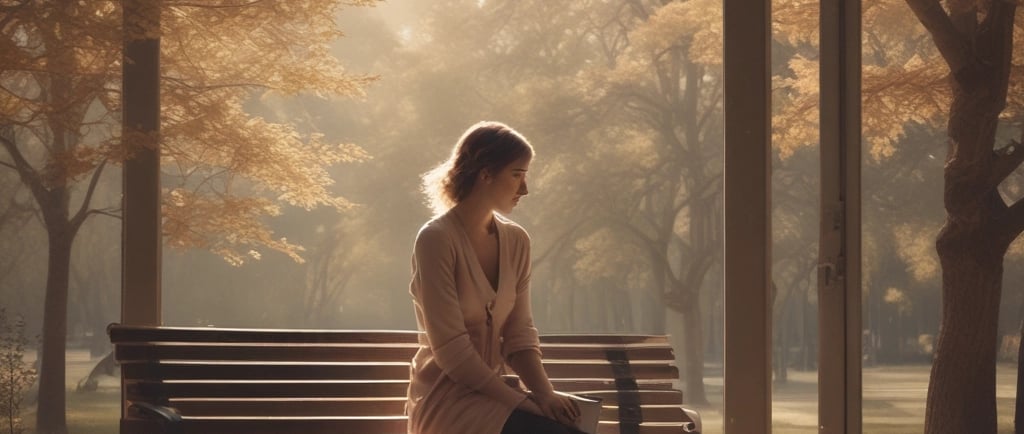
Like many AuDHD women, I once believed in the romantic idea of love—the belief that you would find someone who wanted the same things you did: love, respect, shared growth, and a future you build together.
But the hardest part?
Realizing you were alone in the relationship the entire time.
🚩 What Looked Like Partnership Was Just Proximity
I remember being in relationships where I still loved them.
Where I still wanted to fight.
Because I truly believed I had given everything.
And then it hit me:
They had given nothing.
Sure, they gave time.
But no dreams.
No shared goals.
No respect for who I was or what I wanted.
They didn’t see my ambition.
They didn’t value my inner world.
They didn’t even try to know it.
What they saw was a woman who was:
Attractive enough
Intelligent enough
Stable enough
Kind enough to their friends and family
Willing to cook, clean, and keep everything together
What they didn’t see was:
The dreamer
The builder
The partner who wanted them to be happy even more than she wanted happiness for herself
They never truly saw me—because they were only ever looking at themselves.
💭 The Internal Conflict So Many AuDHD Women Know
As AuDHD women, many of us grow up longing to be recognized for how deeply we love.
We give everything. We accommodate. We support.
And in return… we're neglected.
Or worse—manipulated.
I used to ask myself:
Why do the people I love treat me like the problem?
Why do they fight me instead of growing with me?
Why don’t they see that everything I did was for us?
Now I understand.
They were never in the relationship to build something together.
They were there to take.
To be admired, supported, held up—without ever giving that back.
🧠 The AuDHD Experience: Deep Love, Deep Abandonment
They weren’t dreaming with me.
They were using my energy to chase their own dreams—while I slowly forgot mine.
Because I believed I was building our future.
But it was only ever mine to carry.
And that’s where everything shifts:
You have to decide—
Do I keep hoping things will change?
Or do I look at the truth, even if it hurts?
I’ve had to make that decision many times.
Each time, it hurt more.
Each time, I learned more about myself.
I moved countries.
I rebuilt my life.
I started to rediscover who I really was—beyond the pain.
Maybe that’s the strange kind of resilience we carry as neurodivergent women.
Sometimes it takes unbearable situations to finally transform us.
🌱 Why I Share These Stories
The reason I created this space is simple.
If I can help you see the signs…
If I can help you realize when you’re:
Being taken advantage of
Abandoning your own needs
Shrinking to fit someone else's story
Then maybe you won’t have to reach the same breaking point I did.
Because you deserve better.
You deserve a love that honors your mind, your body, your dreams, and your boundaries.
💡 If This Resonated...
🧠 You might also want to read:
Sensory-Friendly First Dates for AuDHD Women
How to Avoid Dating Burnout When You're Neurodivergent
Red Flags AuDHD Women Should Never Ignore
🎁 And if you're rebuilding like I was:
Download my free dating guide
Final Thought
You are not too much.
You’re not broken.
And you’re not hard to love.
But you might be trying to build a relationship with someone who isn’t willing—or able—to build it with you.
So choose yourself.
Choose your dreams.
Choose the future that actually belongs to you.
We are unstoppable.
We just don’t need to keep paying this price to prove it.